COBB Fibre Ottiche Industrial Endoscopes
Tools for internal visual inspection of industrial components, piping and cavities.
COBB Fibre Ottiche Industrial Endoscopes
Tools for internal visual inspection of industrial components, piping and cavities.

An industrial borescope allows you to inspect internal surfaces accessible through an opening when there is no direct view from outside. The COBB catalogue includes rigid endoscopes, flexible video endoscopes and systems with interchangeable probes: the choice depends on the path to follow and the detail you need to inspect.
To choose the instrument, start with the actual minimum passage size, the distance to the inspection point and the internal geometry. The diameter of the entry hole alone does not account for bends, restrictions or the space needed to orient the probe tip.
Which borescope should you choose?
Straight path: consider a rigid endoscope when the access allows you to insert and position a rigid probe in front of the surface of interest. The standard SIRIUS series offers different diameters and side viewing using mirror tubes. SIRIUS technical specifications
Complex path: consider a flexible video endoscope when you need to steer the tip or inspect from different angles. The selected configuration must be compatible with bends, the required length and the available space.
Different applications: consider a modular system when you need to use different probes with the same main unit. NZL and NZQ offer interchangeable probes; optical configurations and performance should be compared for the selected diameter. NZL technical specifications · NZQ technical specifications
Three examples from the COBB range
On smaller screens, scroll the table horizontally.
| Model | Verified configuration | When to consider it |
|---|---|---|
| SIRIUS standard | Rigid; diameters of 4, 6, 8, 10 and 12 mm. Side viewing using mirror tubes. | Access compatible with a rigid probe and direct viewing of the internal inspection area. |
| LHC Dual Vision | 4.0 and 6.5 mm variants; dual cameras with 0°/90° viewing; four-way tip articulation. | Inspections requiring front and side viewing and tip steering. |
| NZL | Interchangeable 2.0 / 2.8 / 3.9 / 6.0 mm probes; 5-inch LCD display. | Comparison of different probe configurations on the same platform. |
The table presents examples from the range. Not all lengths, optics and functions are available for every diameter. Consult the model specifications and describe your application to define the configuration.
Start with your application
For extensive piping and installations, consult the guide to instruments for pipe inspection. To inspect the surface of a joint, explore endoscopes for visual weld inspection.
Frequently asked questions
Are industrial borescopes and endoscopes different instruments?
In commercial terminology, the terms can overlap. When choosing, check whether the instrument is rigid or flexible, its viewing configuration, diameter and documented model functions.
Is a thinner probe always preferable?
No. The diameter must be compatible with the entire path and the inspection requirements. Where space permits, also compare configurations with larger diameters. Guide to probe diameters
What information is needed to identify a model?
Minimum passage diameter, required reach, a drawing or photographs of the path, the surface to inspect and any image recording requirements. Also specify the expected environmental conditions.
Request a configuration for your inspection
Send COBB the component details and the inspection objective. We can compare the available configurations and identify those to consider for your application. Request technical information
You can also start the COBB endoscope configurator and use your selected parameters as the starting point for a technical comparison.
DISCOVER ALL OUR ENDOSCOPES AVAILABLE IN THE CATALOGUE

Industrial Modular Video Endoscope “NZL” with Interchangeable Probes Ø2.0 – Ø2.8 – Ø3.9 – Ø6.0 mm
VIEW PRODUCT VISUALIZZA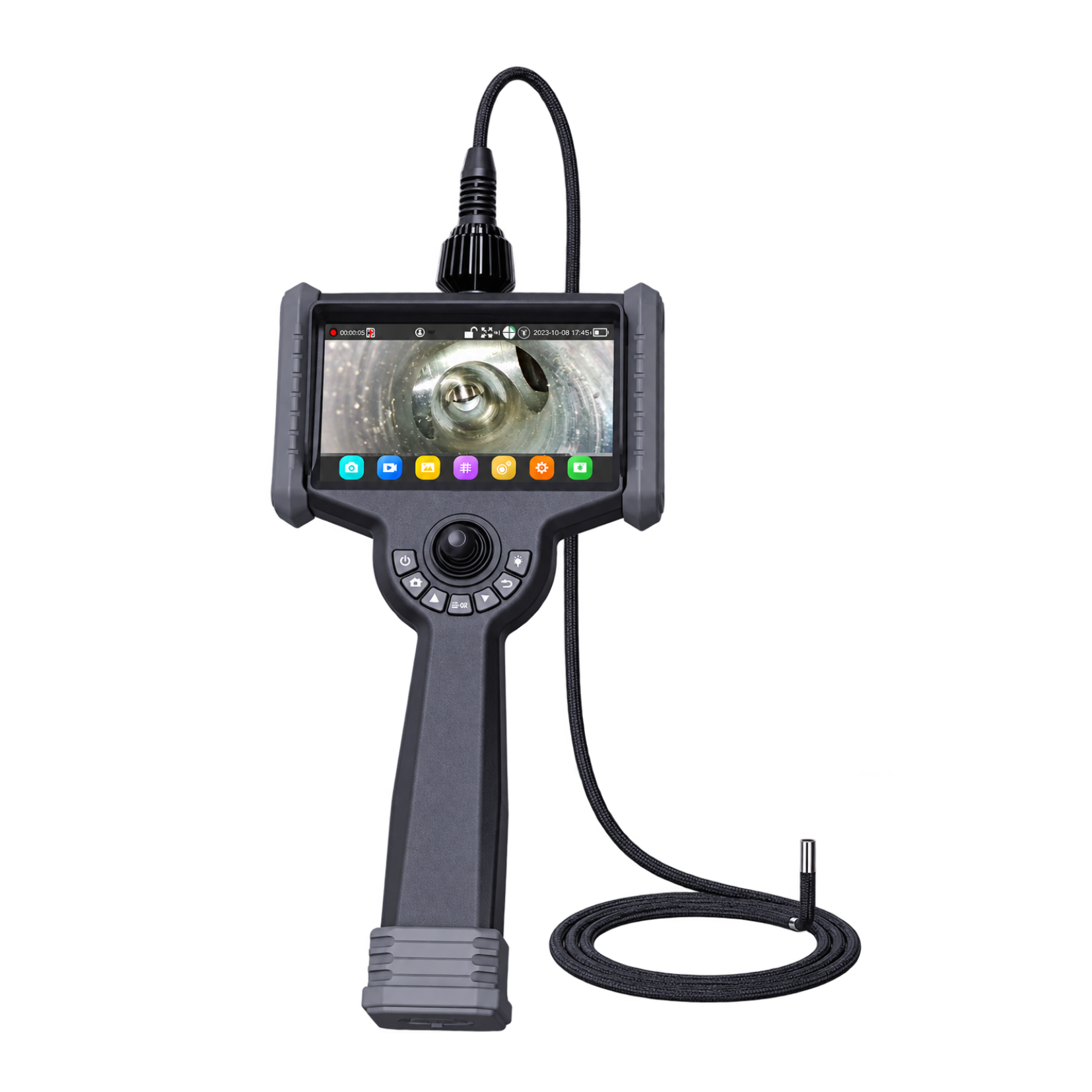
NZQ Dual Light – Modular Industrial Video Endoscope with White Light and 365 nm UV
VIEW PRODUCT VISUALIZZA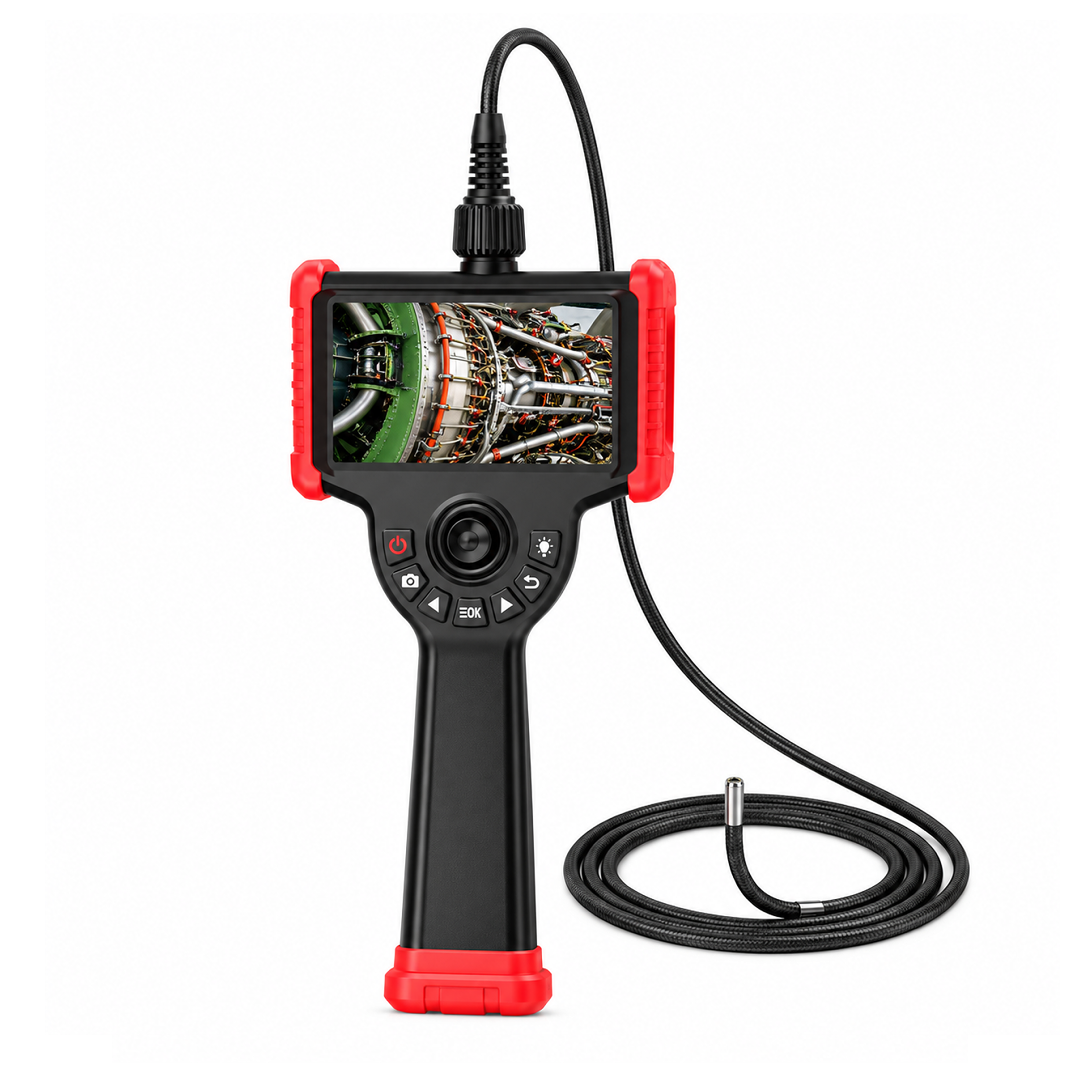
NZQ – Modular Industrial Video Endoscope with FHD Touchscreen and Interchangeable Probes
VIEW PRODUCT VISUALIZZA
“GRZ” HIGH-PERFORMANCE VIDEO ENDOSCOPES ADVANCED TECHNOLOGICAL INNOVATION
VIEW PRODUCT VISUALIZZA
“MVD” Ultra High-Resolution HD Flexible Video Endoscope – 2,000,000 Pixels
VIEW PRODUCT VISUALIZZA
“LHC” Flexible Video Endoscopes, Diameters from 2.8 mm to 10 mm – Lengths from 1 m to 20 m
VIEW PRODUCT VISUALIZZA
Flexible “GTD” Video Endoscope, 360° ARTICULATING, UP TO 10 M LENGTH
VIEW PRODUCT VISUALIZZA
Flexible “AZR” Video Endoscope, Compact and Operable with One
VIEW PRODUCT VISUALIZZA
Essential Professional Flexible Video Endoscope “NGC” with Joystick Control
VIEW PRODUCT VISUALIZZA
“GRZ IR+W” VIDEO ENDOSCOPES FOR SECURITY AND LAW ENFORCEMENT IR + WHITE LIGHT TECHNOLOGY
VIEW PRODUCT VISUALIZZA
COBB NZQ2.8 Dual Vision Industrial Video Endoscope – Ø2.8 mm
VIEW PRODUCT VISUALIZZA
Flexible Dual-Camera Video Endoscope 4.0 mm and 6.5 mm “LHC”
VIEW PRODUCT VISUALIZZA
Flexible Dual-Camera Video Endoscope “GTD6.0/DUAL VISION”
VIEW PRODUCT VISUALIZZA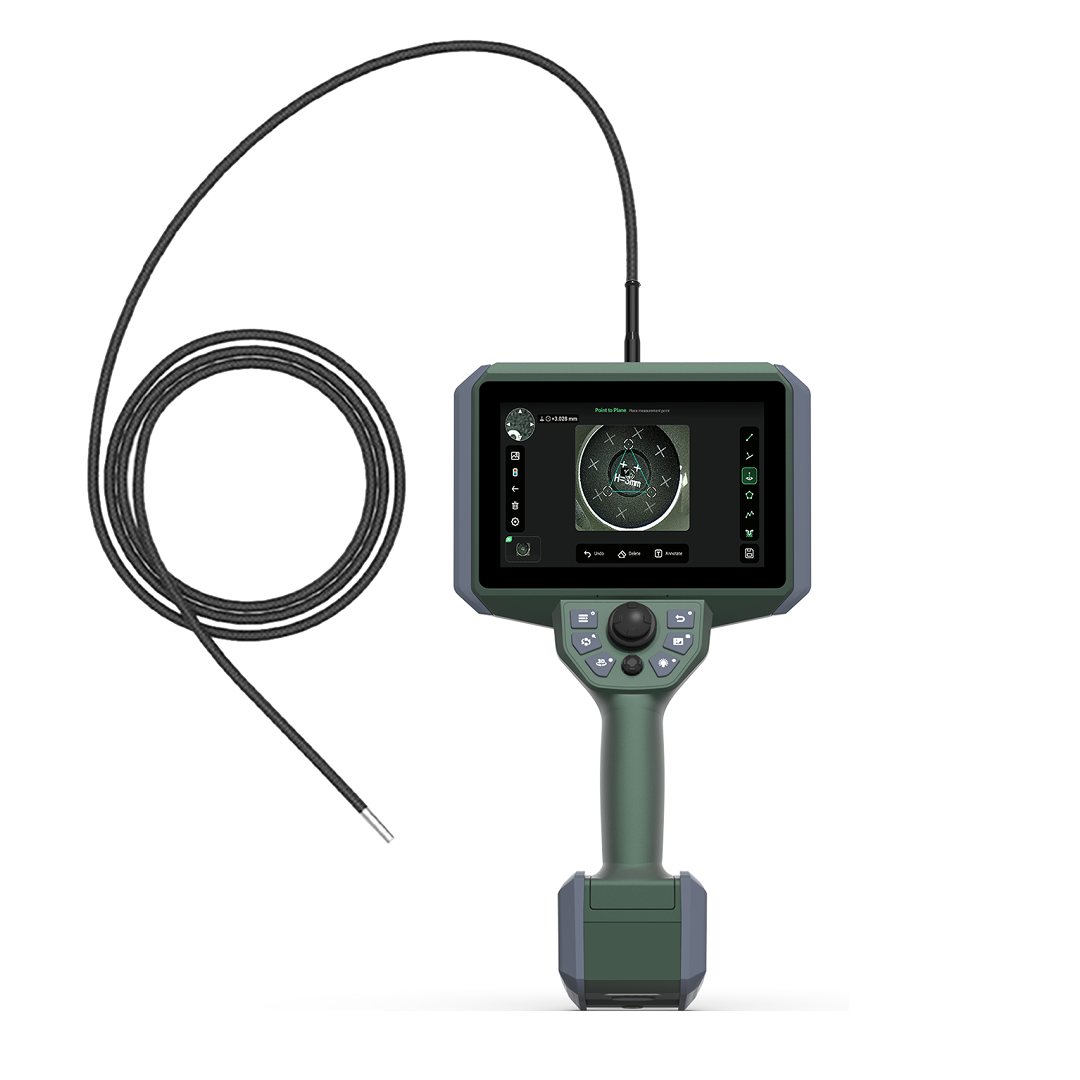
COBB V3D Industrial Video Endoscope with 3D Measurement – Ø4.0 and Ø6.0 mm
VIEW PRODUCT VISUALIZZA
Flexible Micro Video Endoscopes with Interchangeable Non-Articulating Probes “ERT”
VIEW PRODUCT VISUALIZZA
Rigid Video Endoscopes with Integrated Monitor, Illumination and Interchangeable Probes: All-in-One System
VIEW PRODUCT VISUALIZZA
“MF3” Multifunctional Video Endoscope
VIEW PRODUCT VISUALIZZA
“KM-01” Pipeline Inspection Video Endoscope
VIEW PRODUCT VISUALIZZA


“SIRIUS” RIGID ENDOSCOPES WITH ADJUSTABLE VIEWING DIRECTION
VIEW PRODUCT VISUALIZZA
“SIRIUS” Rigid Endoscopes for Ultraviolet Light Inspections
VIEW PRODUCT VISUALIZZA
Endoscopi industriali COBB Fibre Ottiche
Tools for internal visual inspection of industrial components, piping and cavities.
Videoendoscopi flessibili diam. 2mm “MVD"

Videoendoscopi flessibili “AZR"

Videoendoscopio multifunzionale per grandi ispezioni “MF3”

Videoendoscopi flessibili alta risoluzione HD “MVD"

Videoendoscopi con sonde intercambiabili “ERT"

Videoendoscopi con doppia telecamera “GTD"

Endoscopi rigidi standard

Videoendoscopi flessibili industriali

Videoendoscopi con sistema di misura 3D

Linea endoscopi Ultravioletti

Accessori per Endoscopia Industriale

Scopri i campi in cui i nostri endoscopi eccellono
Scegli un settore merceologico per scoprire tutti gli endoscopi Cobb, ideali per le tue esigenze di ispezione.

Contact us with WhatsApp at +39 349 6460067 we are at your disposal for information, questions, advice, orders and more.